Class A roofs and very high fire hazard zones in Los Angeles
If your home sits in the hills or on the edge of the Valley, fire rules shape your next roof. Here is what Class A means, where the zones are, and what else besides the covering matters.
By Sadie Yancey, Roofing Guides Editor · Updated September 2026
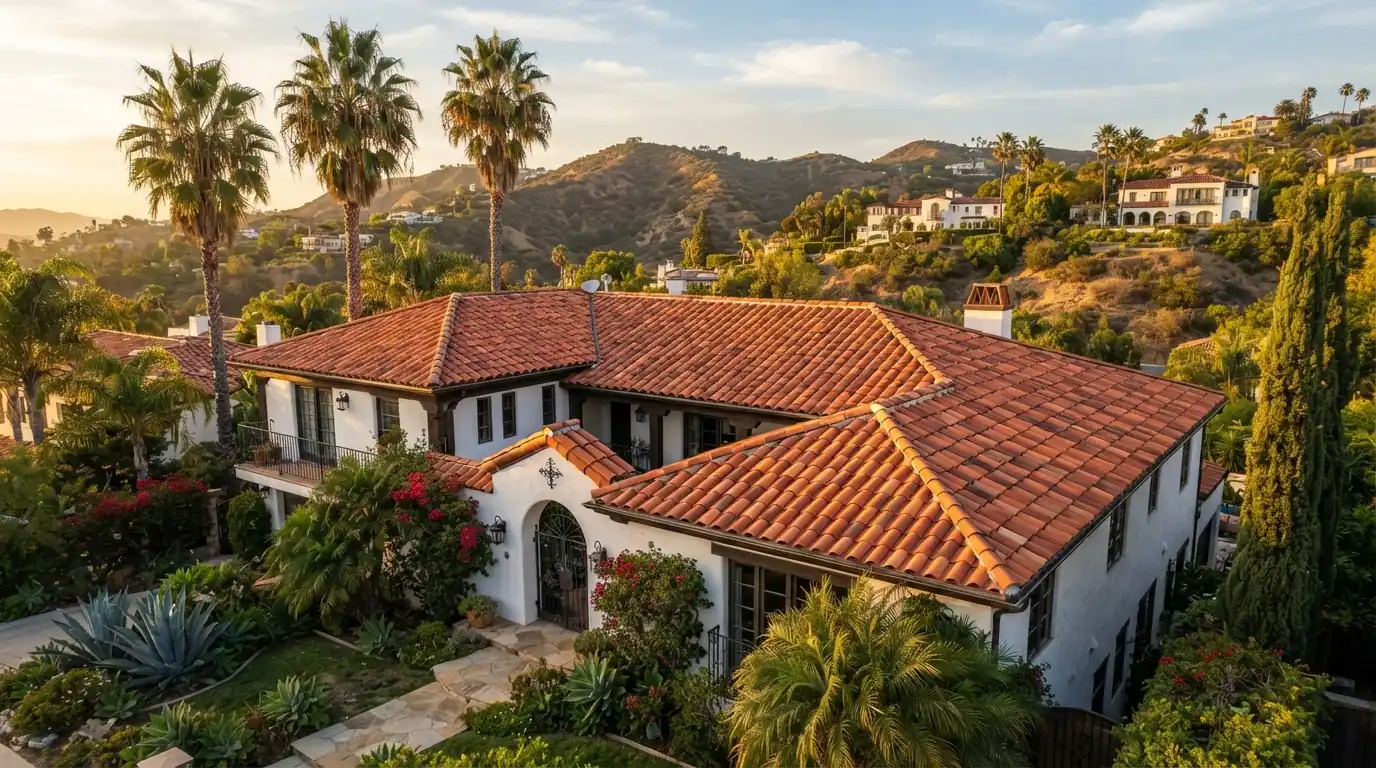
A Class A roof carries the highest fire rating for a roof covering or assembly. In Los Angeles, a re-roof inside a Very High Fire Hazard Severity Zone must be Class A, and when more than half a roof is replaced within a year the whole roof must meet that class. Many hillside areas and much of the Valley's northern edge sit in these zones.
What Class A actually means
Roof coverings are rated Class A, B or C for how well they resist fire from above, such as burning embers or brands landing on the roof. Class A is the highest rating.
Some materials are Class A on their own. Others reach Class A only as an assembly, meaning the covering together with a specific underlayment or deck. That distinction matters in fire zones, where the whole assembly has to qualify, not just the product on top.
Where the very high fire hazard zones are
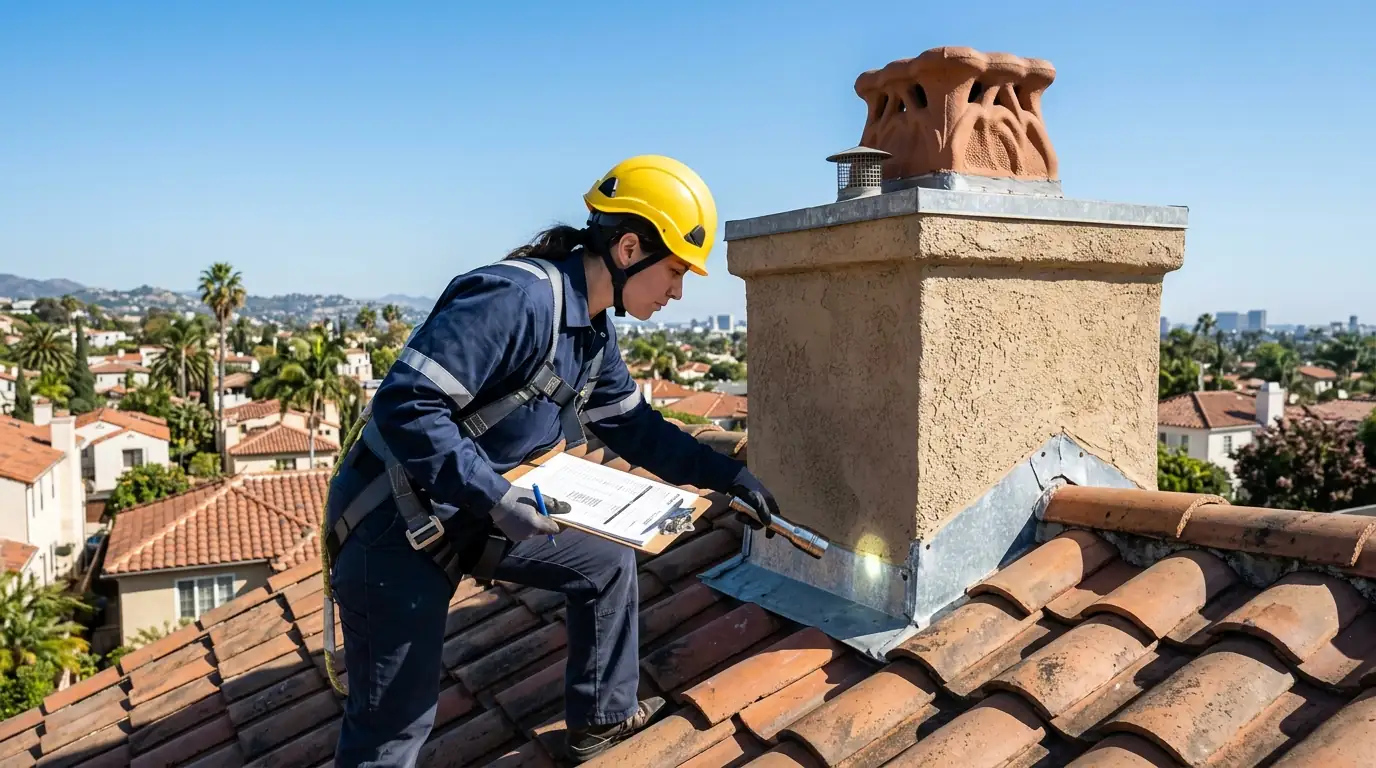
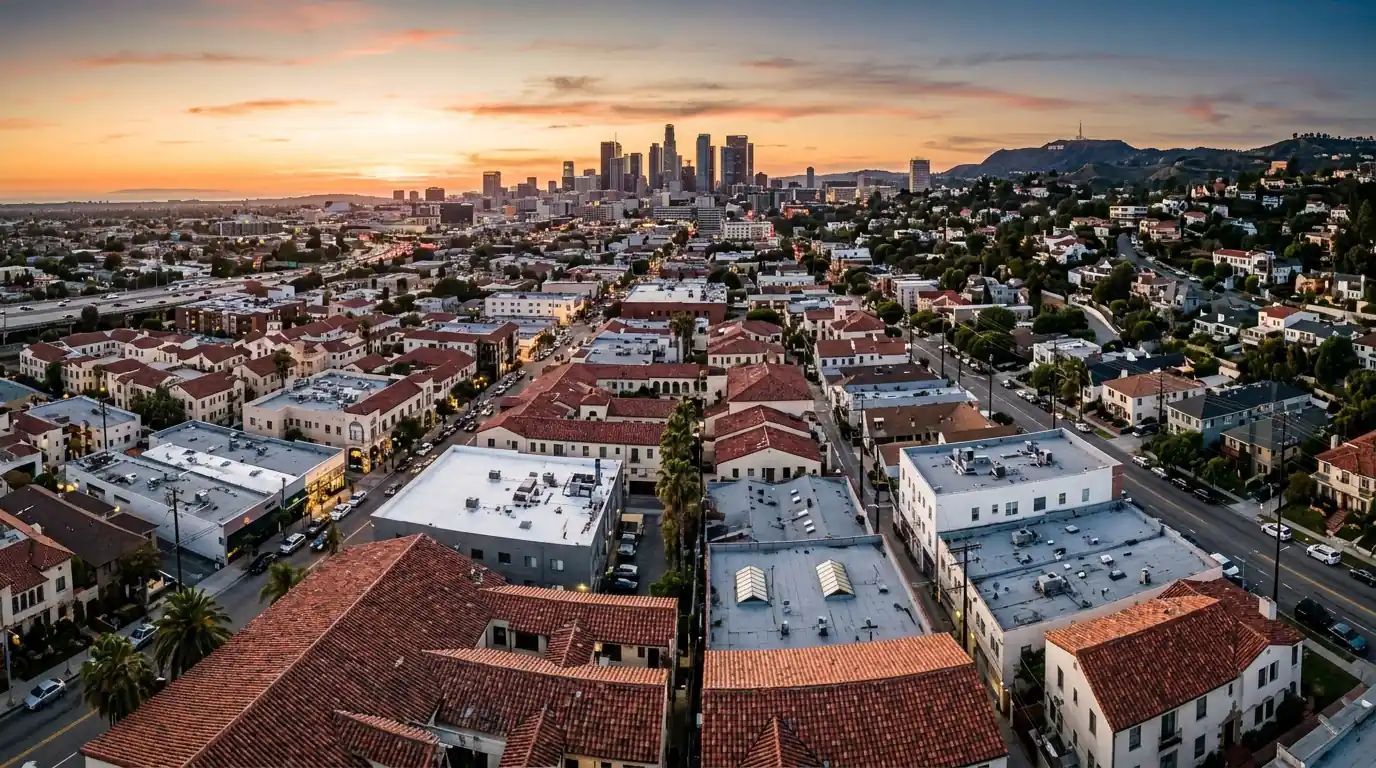
The 2025 CAL FIRE maps kept most of the Santa Monica Mountains, the Hollywood Hills and the San Gabriel foothills inside the Very High Fire Hazard Severity Zone. The designation also covers most hillside areas in LA County and significant portions of the San Fernando Valley's northern edge.
Zone boundaries follow terrain and vegetation, not neighborhood names, so two houses a few streets apart can fall on different sides. Check your address on the official maps, or ask your roofer to confirm it before quoting.
Materials that get you to Class A
Most common LA roof materials already carry Class A ratings, including concrete tile and composition shingle. Clay tile is noncombustible, and metal reaches Class A as an assembly with the right underlayment. Wood shakes are no longer permitted anywhere in Los Angeles because of wildfire risk, which is why shake roofs are being converted across the city.
In practice, the choice of covering is rarely the obstacle. The underlayment, the edges and the vents are where fire-zone roofs are won or lost, and a good scope names them. A metal roof is a popular hillside choice for its weight and assembly rating.
The 50% rule
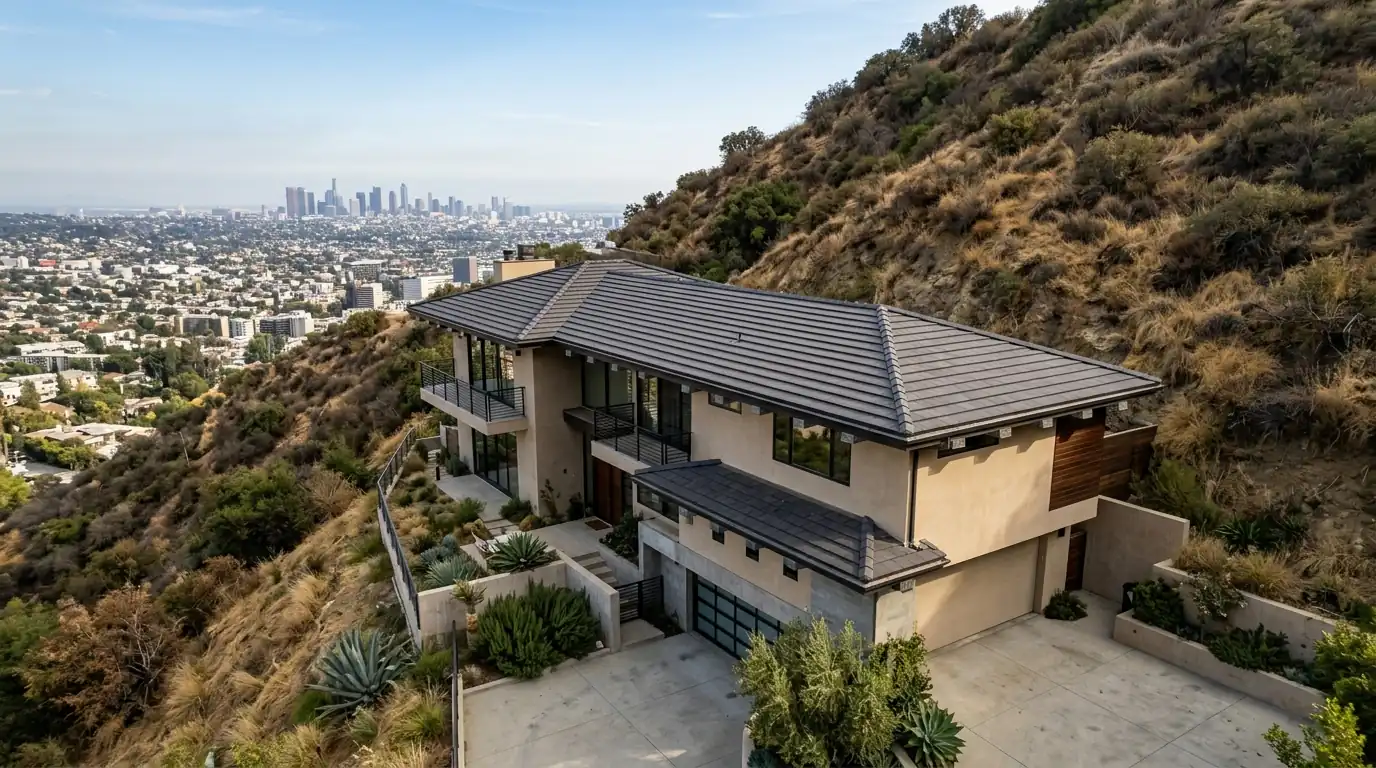
Where more than 50% of a roof is replaced within one year, the entire roof must be brought up to the approved covering class. Inside a very high fire hazard zone, that means a full Class A assembly for the whole roof, not just the new section.
This catches people who plan to re-roof one slope this year and the rest next year. Ask your roofer how a phased plan will be permitted before you commit to it.
Is your home in a fire zone?
Call and we will check your address and build the roof as the Class A assembly it needs to be.
Beyond the covering: vents, eaves and gutters
Embers don't only land on roofs; they get drawn into attics through vents and lodge in gaps at the eaves. In hazard zones, a real re-roof calls for ember-resistant vents and hardened eave detailing, which is why fascia and soffit work often joins a hillside re-roof.
Gutters matter too. Dry leaves in a gutter are fuel sitting against the roof edge, so keep them clear before fire season, and consider guards. Our Santa Ana roof prep guide includes a fall checklist.
What fire-zone compliance adds to the cost
Fire-rated Chapter 7A assemblies add about $1-$5 per sq ft to a re-roof, depending on the underlayment and details required. Ember-resistant vents cost more than standard screens, and eave work is priced by the run.
For the whole picture, including permits and tear-off, see our Los Angeles roof replacement cost guide.
Keeping a fire-zone roof ready between re-roofs
A Class A roof only works as designed if its edges stay clear. Each fall, clear leaves and needles from gutters, valleys and the base of walls where debris collects, and check that vent screens are intact and not clogged.
Trim branches back from the roof and the chimney, and replace cracked or missing ridge tiles and damaged vent covers promptly, since those are the openings embers use. A yearly maintenance visit in the fall covers all of it.
Fire zone roofing questions
Quick answers to the questions this topic raises most.
Other ways to reach usCheck your address on the official fire hazard maps, or ask your roofer to confirm it before quoting.
Composition shingle generally carries a Class A rating; in fire zones the whole assembly must qualify.
No. Wood shakes aren't permitted anywhere in Los Angeles.
If more than half is replaced within a year, yes, the whole roof must meet the class.
Vents with fine mesh or baffles that stop embers entering the attic while still passing air.
It can help with coverage in fire zones, but ask your insurer; policies vary.
More guides for Los Angeles roofs
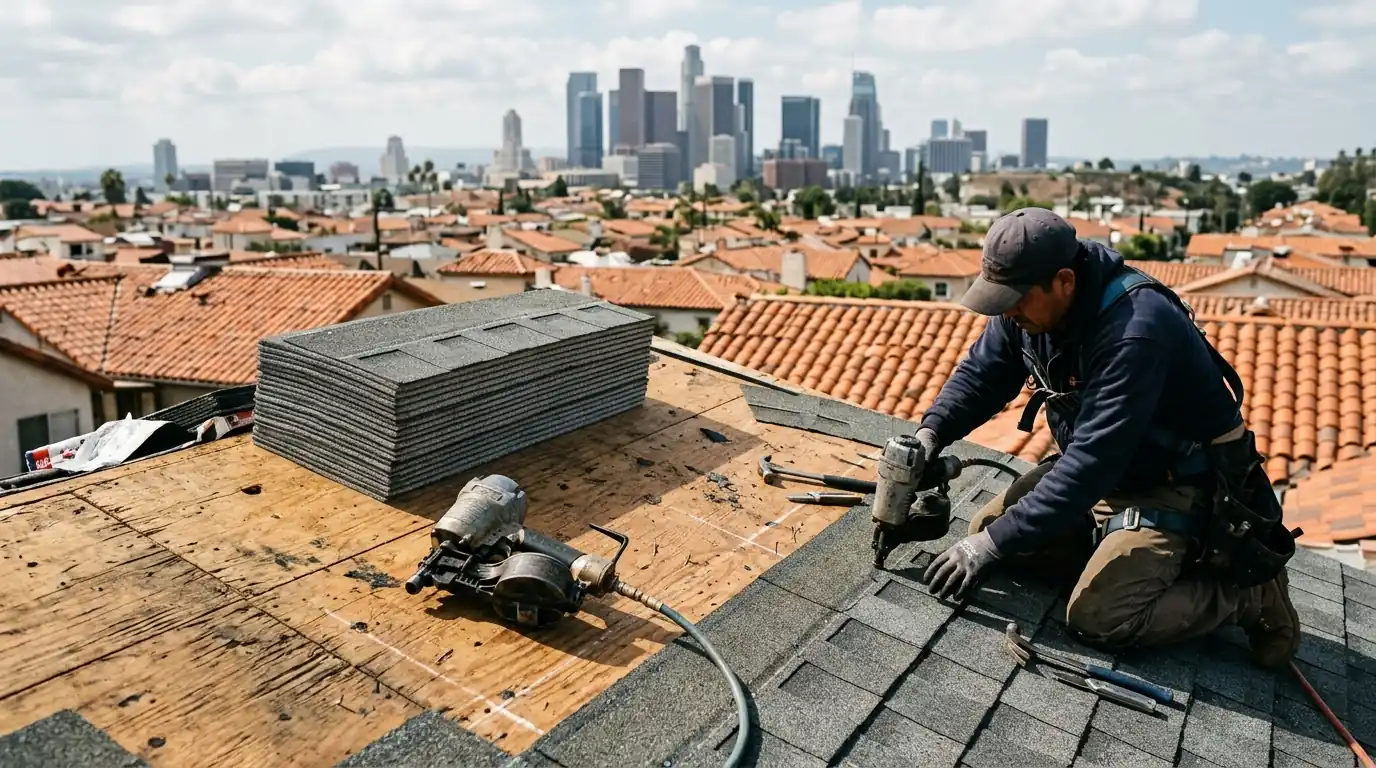
Cool roofs and Title 24 in Los Angeles
When the cool-roof rule applies to a re-roof and what it changes.
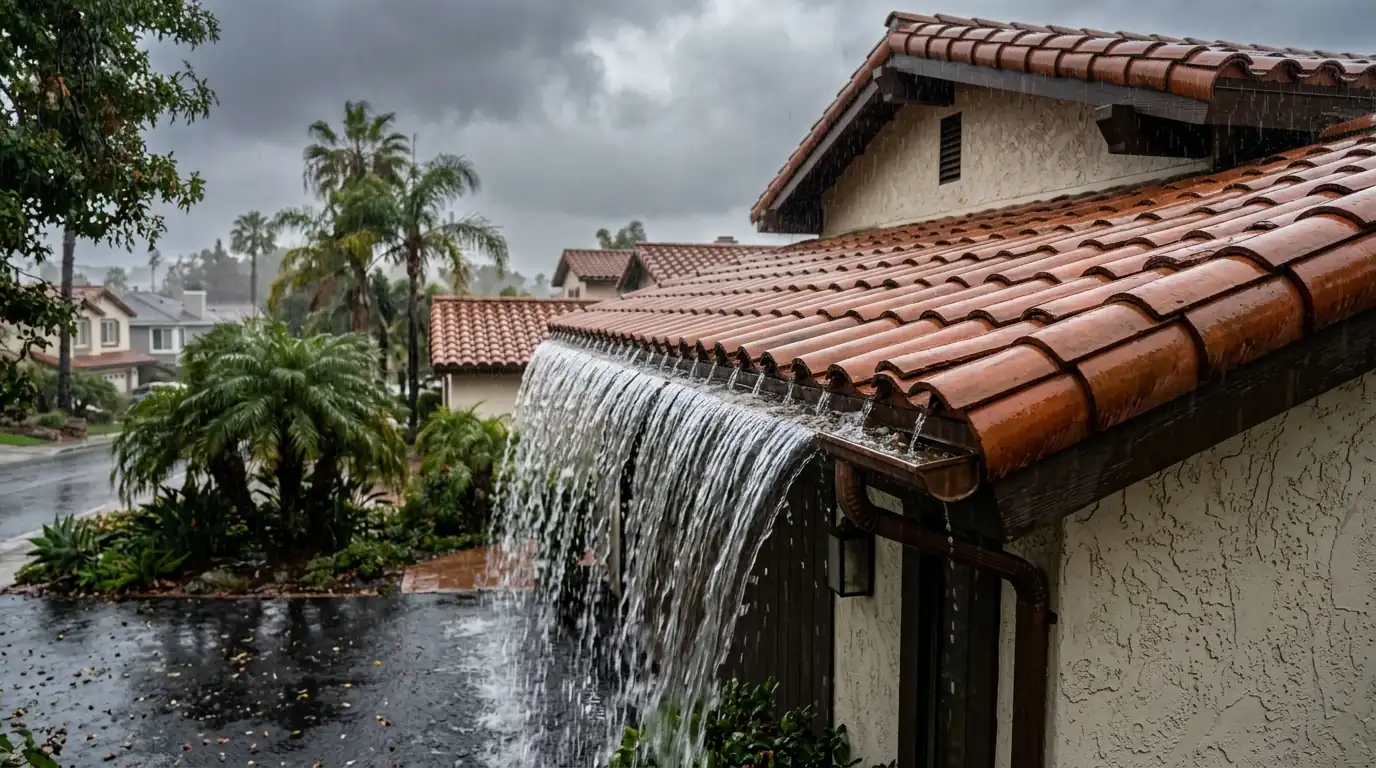
Santa Ana wind roof prep in Los Angeles
What to fix before the wind season and what to check after it.
Roof replacement costs in LA, explained
Published 2026 ranges by roof type, and the line items that move a quote.